In 2009, an electric scooter that was expected to make life easier did the opposite. It struggled with range, build quality, and everyday usability. What stood out wasn’t just that it failed—but that these problems were being accepted as normal. That moment planted a quiet question: why should electric mobility settle for less?
2009 Started
The First Spark
Where It Began
The years that followed weren’t about building a company, but about learning. Machines were taken apart, rebuilt, and pushed to failure to understand how they behave under stress.
Mechanics, electronics, materials, and fabrication were learned hands-on, with factories and workshops becoming
2016 Vision Forms
Thinking Bigger
Built from Belagavi
By the time modern electric scooters began appearing in the market, the thinking had changed. Electric vehicles were no longer a distant future or something only large corporations could build. It was clear that capability mattered more than scale—and that a serious EV could be built anywhere, even outside the usual tech corridors.
Performance
Power
Precision
In 2019, RIVOT Motors was incorporated in Belagavi, becoming North Karnataka’s first electric vehicle company. Building from a tier-2 city meant slower access to talent, suppliers, and approvals. Progress wasn’t always smooth, but those conditions shaped a focus on practical engineering, careful decisions, and durability over display.
Community
Connection
Together
What followed was years of testing and refinement. Over thirty prototypes were built. Batteries were tested in water. Frames were pushed under load. Scooters were ridden thousands of kilometres, up hills and across broken roads. The goal was never speed to market—it was understanding what would actually last.
Safety
Reliability
Trust
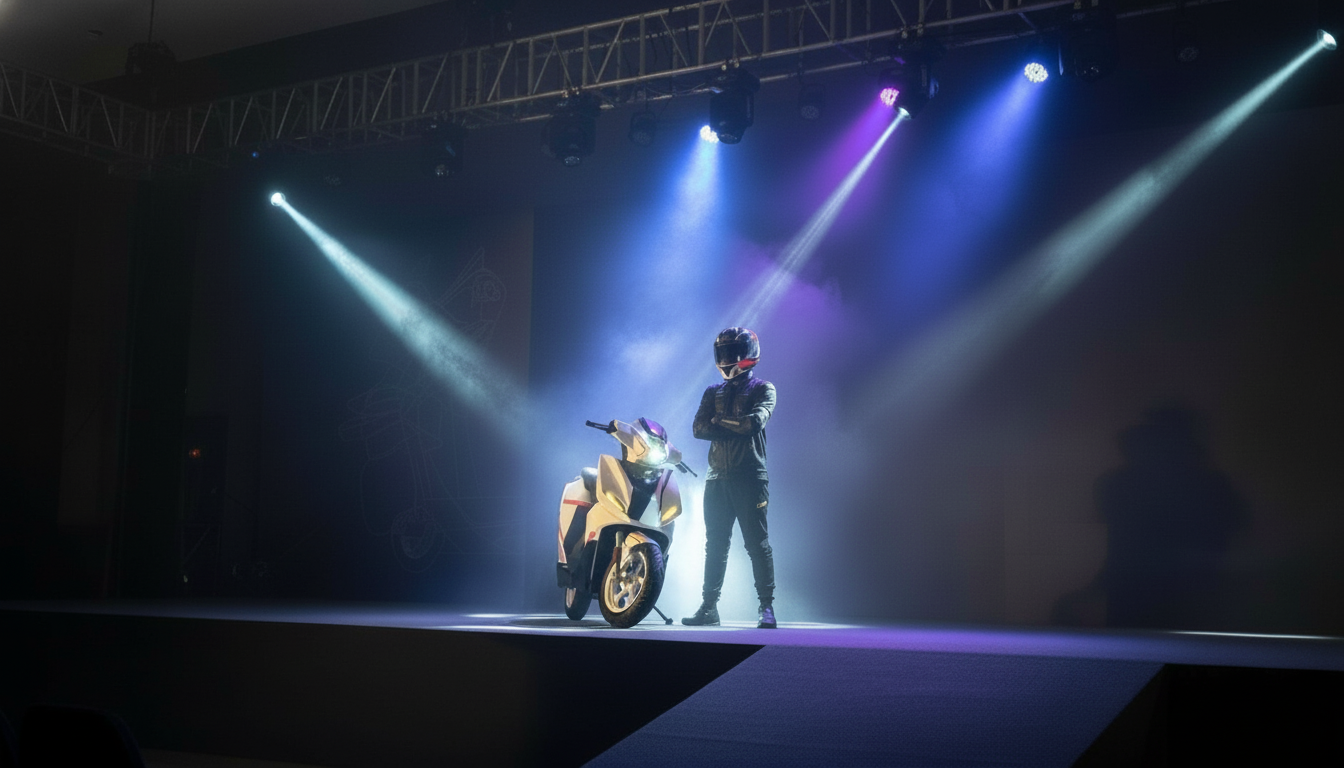
That process led to the RIVOT nx100. Designed, developed, and engineered entirely in Belagavi, it’s built for strength, control, and long-term use. Its stance and performance draw from sports bikes, but its purpose is simple—to handle demanding conditions without compromise, where it matters most.
The Future
Is Electric
Join Us
As RIVOT moves into its next phase, the focus remains steady. Building vehicles is only part of the work. Creating an ecosystem around manufacturing, service, technology, and local capability matters just as much. The journey has been slow by choice—and the road ahead is being built the same way.